On a legal pad, a controls package looks like simple addition. Task tuning knocks off 20%. Occupancy sensors, another 30%. Daylight harvesting, say 20% more. Add them up and you're promising around 65% — clean, quick, and wrong. Those percentages don't add, because they aren't measuring the same thing, and the number they produce is one the installed system will never actually hit. On a controls-heavy job, that gap is the difference between a savings claim that holds up when the utility inspects the work and the customer reads the first year's bills — and one that doesn't.
Mike Seifert

Recent Posts:

In a world as connected as ours, it’s easy to take good communication for granted. From watching your Uber approach on the app to tracking a shipment from Amazon, we’ve come to expect real-time updates on the products and services we buy.
But good communication is no accident, and there’s a reason successful companies like Uber and Amazon invest in the digital infrastructure necessary to keep their customers informed. Communicating updates with your customers builds trust, demonstrates your reliability, and helps you stand out from other contractors.
The good news is that digital tools like SnapCount provide you with an effective way to share updates without becoming overwhelmed. Here are some reasons you should consider digital communication for sharing lighting project status updates with your customers.
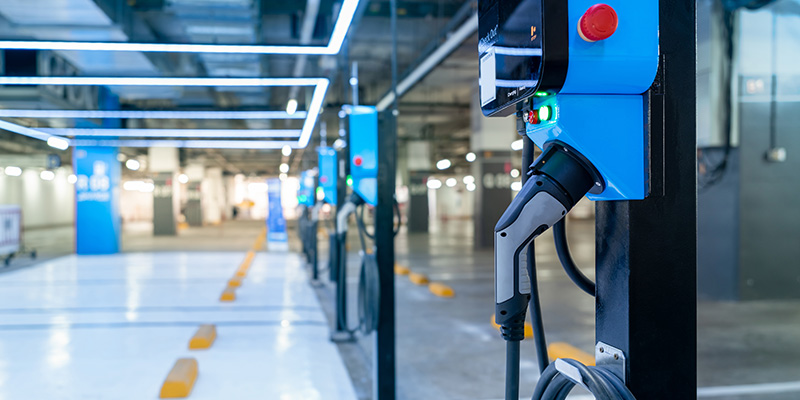
Just a few years ago, electric vehicle (EV) sightings on the highway were about as rare as those of antique roadsters. Fast forward to today, and it seems like every tenth car is whirring along silently under the power of an electric motor.
EV technology is improving and becoming more affordable. Auto manufacturers are electrifying their lineups. And consumers fed up with high gas prices and pollution are increasingly attracted to clean electric vehicles.
It won’t be long before fossil fuel-powered vehicles are the rarity, which raises a question: Where will all these EVs recharge their batteries?